

Understanding specific learning disabilities

Dyslexia: uncovering reading challenges
Dyslexia is a specific learning disability that affects reading and language processing. It is characterized by difficulties with accurate and/or fluent word recognition, and by poor spelling and decoding abilities. These difficulties typically result from a deficit in the phonological component of language that is often unexpected in relation to other cognitive abilities and the provision of effective classroom instruction. Secondary consequences may include problems in reading comprehension and reduced reading experience that can impede growth of vocabulary and background knowledge.
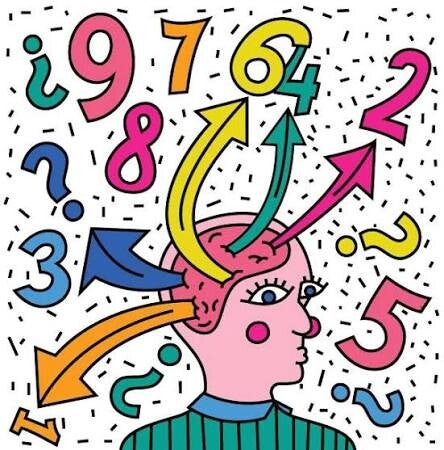
Dyscalculia: navigating numerical concepts
Dyscalculia is a specific learning disability that affects an individual's ability to understand and process numerical information. It involves persistent difficulties with arithmetic, understanding quantities, memorizing math facts, and performing calculations. These challenges are often unrelated to a person's general intelligence and can significantly impact academic and daily life. Learn how to support students with dyscalculia effectively.
Create Your Own Website With Webador