

Understanding eligibilities and disabilities
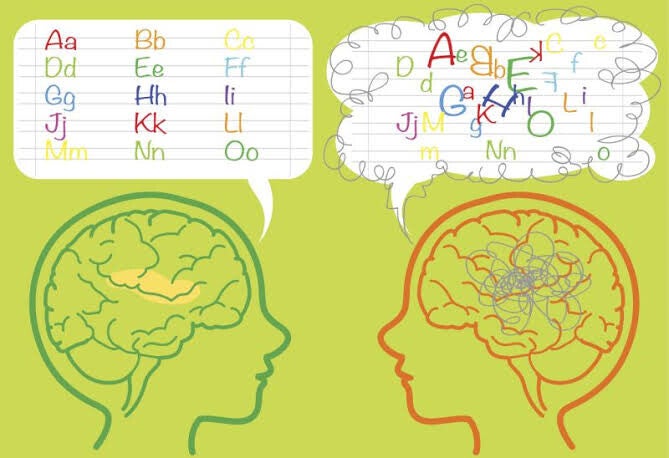
Specific learning disabilities
Specific learning disabilities (SLD) affect a person's ability to interpret information, leading to challenges in areas like reading, writing, or math. These disabilities are not related to intelligence but to how the brain processes information. Students with SLD may be eligible for individualized education programs (IEPs) and accommodations such as extended time on tests, assistive technology, and specialized instruction.
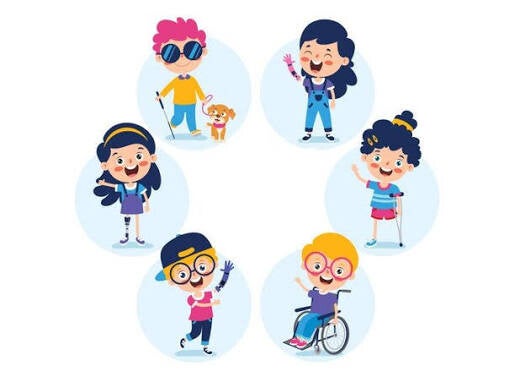
Other health impairments
Other health impairments (OHI) are conditions that limit a child's strength, vitality, or alertness, including a heightened sensitivity to environmental stimuli. This can be due to chronic or acute health problems like asthma, attention deficit hyperactivity disorder (ADHD), diabetes, epilepsy, or heart conditions. Eligible students can receive support through IEPs or 504 plans, which may include modified assignments, preferential seating, or a health plan.
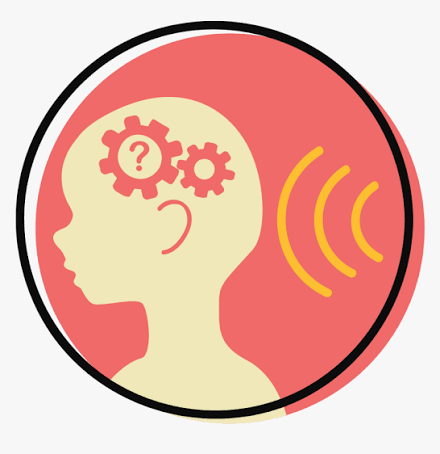
Speech language impairments
Speech or language impairments involve difficulties with communication that can affect a child's ability to understand or express thoughts, ideas, and feelings. This includes stuttering, impaired articulation, language impairment, or a voice impairment. Services for these impairments often include speech-language therapy, assistive communication devices, and strategies to improve communication skills in academic and social settings.
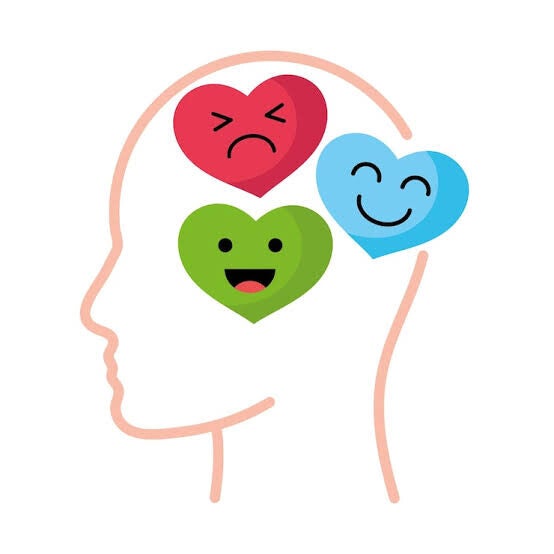
Emotional impairments
Emotional impairments (EI) refer to a condition exhibiting one or more of the following characteristics over a long period and to a marked degree that adversely affects a child's educational performance: an inability to learn that cannot be explained by intellectual, sensory, or health factors; an inability to build or maintain satisfactory interpersonal relationships; inappropriate types of behavior or feelings under normal circumstances; a general pervasive mood of unhappiness or depression; or a tendency to develop physical symptoms or fears associated with personal or school problems. Support can include counseling, behavior intervention plans, and social-emotional learning programs.
Autism spectrum disorder
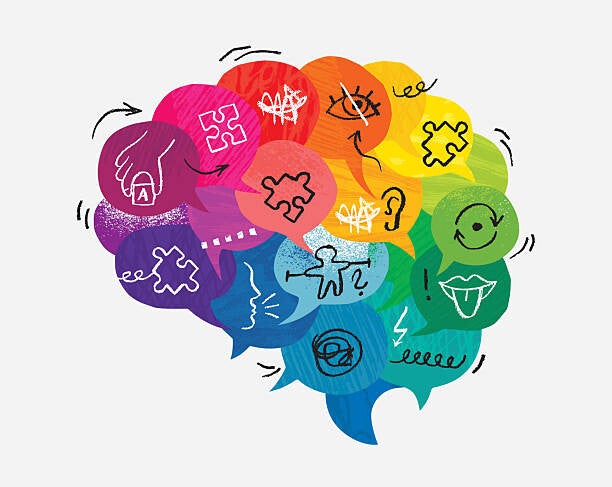
Autism spectrum disorder (ASD) is a developmental disability that can cause significant social, communication, and behavioral challenges. People with ASD may communicate, interact, behave, and learn in ways that are different from most other people. Services often involve applied behavior analysis (ABA) therapy, social skills training, visual supports, and communication interventions to support learning and development.
Intellectual disabilities
Intellectual disability is characterized by significant limitations both in intellectual functioning (reasoning, learning, problem-solving) and in adaptive behavior, which covers a range of everyday social and practical skills. This disability originates before the age of 18. Individuals with intellectual disabilities may be eligible for modified curriculum, vocational training, life skills instruction, and support in developing daily living and social skills.
Create Your Own Website With Webador